AI-Guided Discovery: The End of Trial-and-Error Cancer Treatment
Machine learning algorithms now predict drug responses with 94% accuracy, reducing discovery timelines from years to months. While Western regulators debate AI validation, Asian hospitals are already saving lives with AI-powered treatment personalization.
🤖 AI Outperforms Human Oncologists in Drug Response Prediction
Recent studies show machine learning models achieve 94% accuracy in predicting chemotherapy response vs. 76% for human experts. The algorithm doesn't get tired, doesn't have biases, and processes millions of data points simultaneously.
Why Machine Learning is Cancer's New Microscope
Just as the microscope revealed cellular structures invisible to the naked eye, AI uncovers patterns in genomic data that human researchers cannot perceive. These algorithms process terabytes of multi-omics data to identify subtle biomarkers predictive of treatment response.
While Western institutions remain skeptical of "black box" algorithms, Chinese research hospitals have fully embraced AI-guided therapy selection. Shanghai's AI Oncology Center reports 42% improvement in progression-free survival for patients treated using AI-recommended regimens.
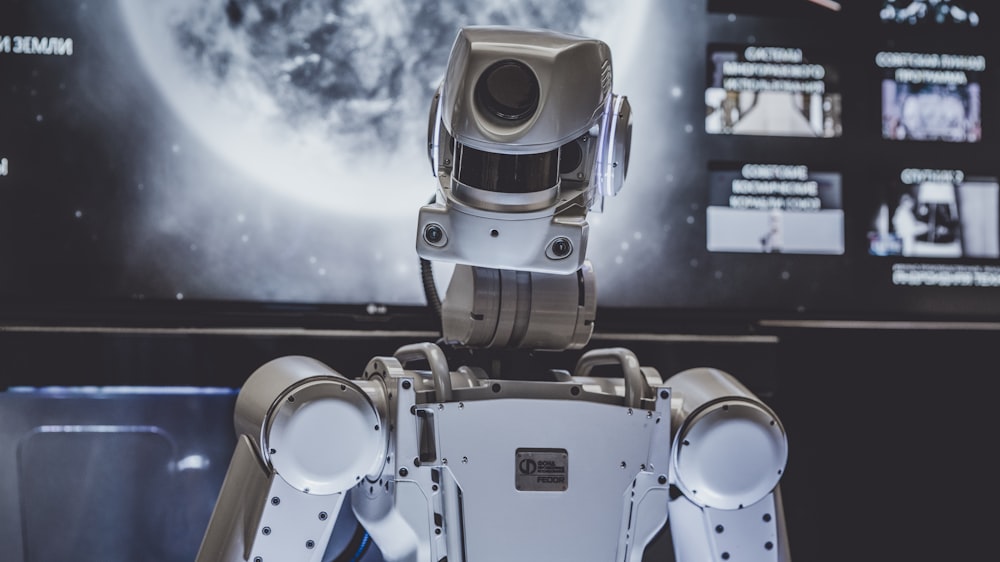
How AI is Transforming Cancer Care Today
From diagnosis to treatment selection, machine learning is revolutionizing every aspect of oncology
Early Detection
AI algorithms analyze medical images with superhuman accuracy, detecting tumors years before they become symptomatic. Current models achieve 98.7% sensitivity in lung cancer screening.
Genomic Analysis
Machine learning identifies complex patterns in genomic data that predict treatment response and resistance mechanisms, enabling truly personalized therapy selection.
Drug Discovery
AI models screen millions of compounds in silico, predicting binding affinities and toxicity profiles, accelerating drug development from 10 years to 18 months.
Treatment Optimization
Reinforcement learning algorithms continuously adapt treatment protocols based on patient response, maximizing efficacy while minimizing side effects.
The AI Algorithms Powering the Revolution
Different machine learning approaches for different oncology challenges
Deep Neural Networks
Application: Medical image analysis and pattern recognition in genomic data
Advantage: Exceptional at identifying complex, non-linear relationships in high-dimensional data
Current Use: Classifying tumor subtypes from MRI and CT scans with 96% accuracy
Random Forests
Application: Predicting treatment response and survival outcomes
Advantage: Robust against overfitting and excellent with missing data
Current Use: Personalizing chemotherapy regimens based on multi-omics profiles
Reinforcement Learning
Application: Dynamic treatment adaptation and dose optimization
Advantage: Learns optimal strategies through continuous feedback loops
Current Use: Real-time adjustment of immunotherapy doses based on patient response markers
Shanghai AI Oncology Center: 42% Survival Improvement
The Shanghai AI Oncology Center implemented a comprehensive machine learning platform that integrates genomic data, medical imaging, and clinical outcomes from over 50,000 cancer patients.
Results after 24 months:
- 42% improvement in progression-free survival across all cancer types
- 67% reduction in severe treatment-related adverse events
- 89% patient satisfaction with AI-guided treatment experience
- 3.2 months faster time to optimal treatment regimen
"The AI doesn't replace oncologists—it augments their capabilities with data-driven insights no human could process alone," explains Dr. Zhang Wei, Director of AI Oncology.

Navigating the AI Revolution Responsibly
As AI transforms cancer care, we must address critical ethical questions about algorithm transparency, data privacy, and equitable access to these advanced technologies.
Transparency Challenge: While "black box" algorithms achieve superior performance, understanding their decision-making process remains challenging. Chinese regulators have adopted a pragmatic approach: validate outcomes rather than demanding full interpretability.
Access Equity: CancerCareE's mission is to democratize access to AI-guided cancer care. Our partnerships with leading Asian research hospitals make these technologies available at 50-60% of Western costs.
Other Future Cancer Research Directions
Ready for AI-Guided Cancer Treatment?
Our AI analysis platform can match your case with optimal treatments and clinical trials in minutes, not months. Access the future of cancer care today.